Using “Want to” and “Like Doing” for Kids
Want to takes a base verb, while like doing takes a verb ending in -ing. Want To and Like Doing: A Practical Grammar Guide for Kids separates a wish or plan from an enjoyable activity. “I want to swim” describes a wish; “I like swimming” describes enjoyment. Short comparisons, familiar actions and spoken practice teach both patterns without long definitions.
The Difference Children Need to Understand
Want to describes a wish, choice or plan. “I want to build a tower” points towards an action, even before the child starts.
Like doing describes general enjoyment. “I like building towers” means the activity is pleasant or interesting, not that the child wants to build one now.
Want To and Like Doing: A Practical Grammar Guide for Kids contrasts a wish with enjoyment. Compare “We want to visit the library” with “We like visiting the library.”
How the Two Grammar Patterns Work
The wish pattern is subject + want or wants + to + base verb: “I want to draw,” “They want to play,” and “Your child wants to read.” Only want changes after he, she or it; the second verb stays in its base form.
The enjoyment pattern is subject + like or likes + verb-ing: “We like cooking,” “She likes dancing,” and “He likes making models.” Before -ing, dance becomes dancing and swim becomes swimming.
Want To and Like Doing: A Practical Grammar Guide for Kids includes question practice: “Do you want to play?” versus “Do you like playing?” After does, use the base form: “Does your child want to join?” and “Does your child like joining group games?”
Rules and Examples Side by Side
Compare the same activity so only the grammar changes: “I want to paint” may describe today’s plan; “I like painting” describes a general preference.
Negative sentences keep the contrast. “I do not want to sing” rejects a current wish. “I do not like singing” means the activity is not enjoyable.
Want To and Like Doing: A Practical Grammar Guide for Kids pairs two questions: “Do you want to read this book now?” and “Do you like reading books?” Different answers reveal the meaning contrast.
Teaching the Forms at Different Ages
Teach with actions, pictures and short choices. Show a child jumping and ask, “Does the child want to jump?” Then ask, “Does the child like jumping?” Accept a one-word answer before modelling the complete sentence.
Children can sort sentence cards into wishes and enjoyable activities. They can then compare “I want to cook today” with “I like cooking with my family.”
Older learners can discuss like to do, which may describe a habit or preferred choice: “I like to read before bed.” During a first lesson, teach like doing as the target form without marking every use of like to wrong.
Common Mistakes and How to Correct Them
Children may add -ing after want to: “I want to playing.” Correct it briefly: “After to, use the base verb: I want to play.” Ask the child to repeat the whole sentence.
Children may omit to: “She wants read,” or add -s twice: “She wants to reads.” Model “She wants to read.” For enjoyment, use “She likes reading,” not “She like reading.”
Meaning can cause another error. “I like going home now” is grammatical but rarely expresses a present wish. For a current choice, use “I want to go home now.” Home languages may organise wishes and preferences differently, so contrast the meanings without treating transfer as careless speech.
Practice Activities at Home or in Lessons
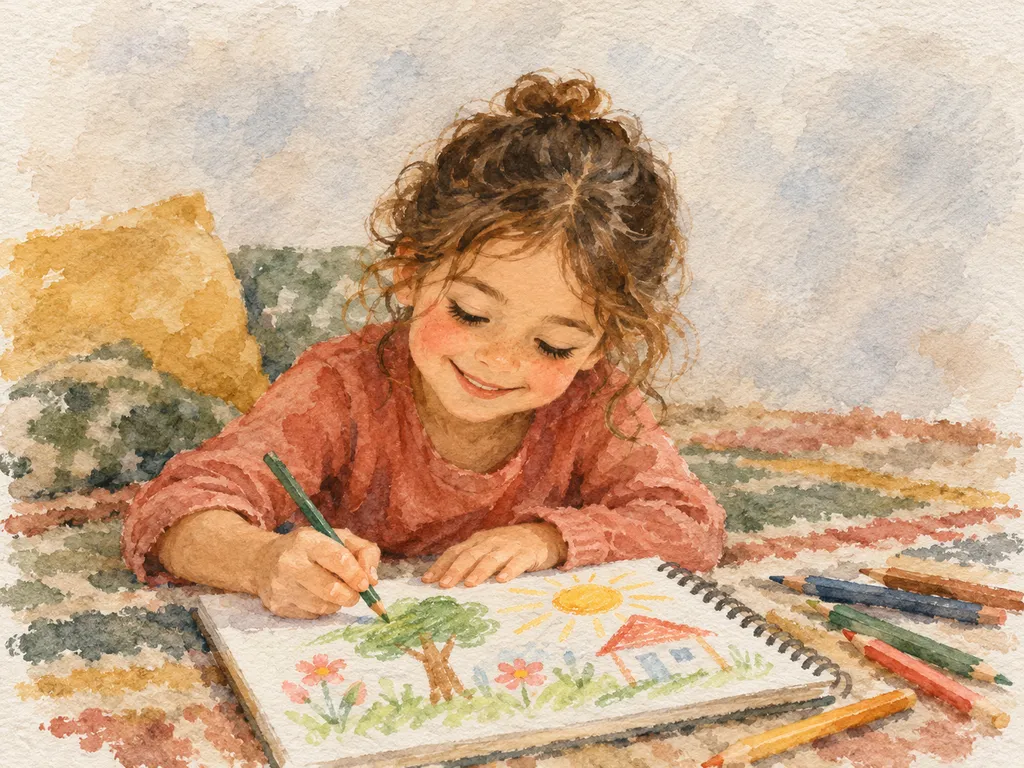
Practice in Want To and Like Doing: A Practical Grammar Guide for Kids moves from recognition to speaking. Children choose the form, identify wish or enjoyment, then make true sentences about themselves.
Use familiar, culturally open activities: reading, drawing, cooking, cycling, playing music, visiting relatives or learning a language. Different answers give children a real reason to use the grammar.
Choose the Correct Form
Complete each sentence with the word in brackets.
1. I want to ___ a picture. (draw)
2. My sister likes ___ stories. (read)
3. We want to ___ outside. (play)
4. He likes ___ to music. (listen)
5. They do not want to ___ yet. (leave)
6. Do you like ___ new words? (learn)
Answers: 1. draw; 2. reading; 3. play; 4. listening; 5. leave; 6. learning.
After checking, choose two sentences and make them true: “I want to draw an animal” or “I like listening to songs.” Personal details strengthen recall.
Wish or Enjoyment?
Say whether each sentence describes a wish or general enjoyment, then change it to the other pattern.
1. I want to ride my bike.
2. She likes making fruit salad.
3. We want to watch a film.
4. They like visiting their grandparents.
Possible answers: 1. wish → I like riding my bike. 2. enjoyment → She wants to make fruit salad. 3. wish → We like watching films. 4. enjoyment → They want to visit their grandparents.
For the rule wording, Wikipedia — English Grammar is a useful reference while the practice examples here stay adapted for children.
Frequently Asked Questions
These questions address wishes, enjoyable activities and verb forms.
What Is the Simplest Way to Explain the Difference?
Say that want to means “I wish or plan to do this,” while like doing means “I enjoy this activity.” Compare “I want to swim now” with “I like swimming.” Now signals a present wish, though want to may describe a later plan.
Is “I Like to Read” Incorrect?
No. “I like reading” and “I like to read” are correct. Like doing often presents enjoyment; like to do may point to a habit or preferred choice. Teach one target pattern first, then explain the alternative when it appears in books or conversation.
When Should a Child Add an “S”?
Add -s to want or like after he, she or one person or thing: “He wants to play” and “She likes drawing.” Never add -s to the second verb. After does, use the base form: “Does she want to play?”
Can This Grammar Be Taught to a Multilingual Child?
Yes. Want To and Like Doing: A Practical Grammar Guide for Kids supports multilingual learning. Connect each English form with its meaning, gesture or picture instead of relying only on translation. If another language uses one structure for both ideas, repeated English contrasts highlight the distinction.
How Much Practice Does a Child Need?
Choose short, repeated practice over one long explanation. Four or five spoken examples may fill one round. Revisit the forms during daily choices: “Do you want to draw?” and “Do you like drawing?” Stop before practice feels mechanical and return with new activities another day.
A short one-to-one lesson can show what level and pace fit your child — book a trial English lesson.
Stay updated on our latest tips and resources by following us on Instagram LearnLink.